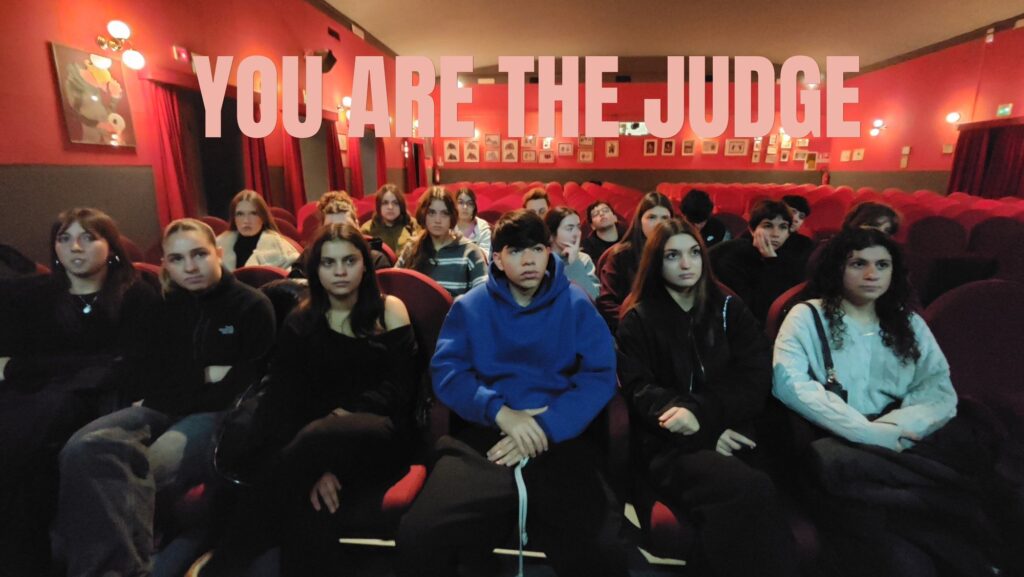
It depends on the creative game you choose for the first part and the number of participants. It takes approximately one and an half to three hours.
Where can it be used
The method is modular and can be adapted and customize to any space
Group size
From four to thirty people
Objective
It promotes awareness of the commitment and effort required to achieve a convincing result in the realization of a project, even if it is proposed as a game.
Support co-creation and shared responsabilities
Strengthen the value of peer mentoring
When to use it
It can be used as a simulation-game forming the groups or planning actions or as a tool for a final debriefing or reflection
Step-by-step guide
1. Divide into groups of three to five people (if the group is very small, the activity can also be done individually, but in a group it is more effective)
2. Propose a small creative challenge as a game: making a two-minute video or a theatrical scene or a collective drawing or writing a song
3. To facilitate the process, provide a guideline and constraints (for example, different groups work on the same guideline "The balcony scene from Romeo and Juliet" but in different styles: western, science fiction, horror, detective story, romantic comedy).
4. Allow between half an hour and an hour and a quarter to complete the work.
5. See all the completed projects in the full group
6. Ask each participant what they liked about someone else's work and what they would change about their own
7. It always happens that one or two projects are more convincing than the others. Ask the group why those works were more convincing.
8. Then facilitate a reflection on the fact that the most convincing projects are always those in which the proposed "game" has been taken most seriously and with commitment.
Materials needed
It depends from the activity chosen. For a video you may need smartphone and an audio-video editing app, for a theatrical improvisation just a music box, to draw large sheets of paper and colors.
Tips for facilitators
Group dynamics, ecological language, inclusion, point out if groups are wasting too much time
Possible variations
The method is really very flexible, modular and customizable, by changing the starting activity it can be adapted to any group and context.