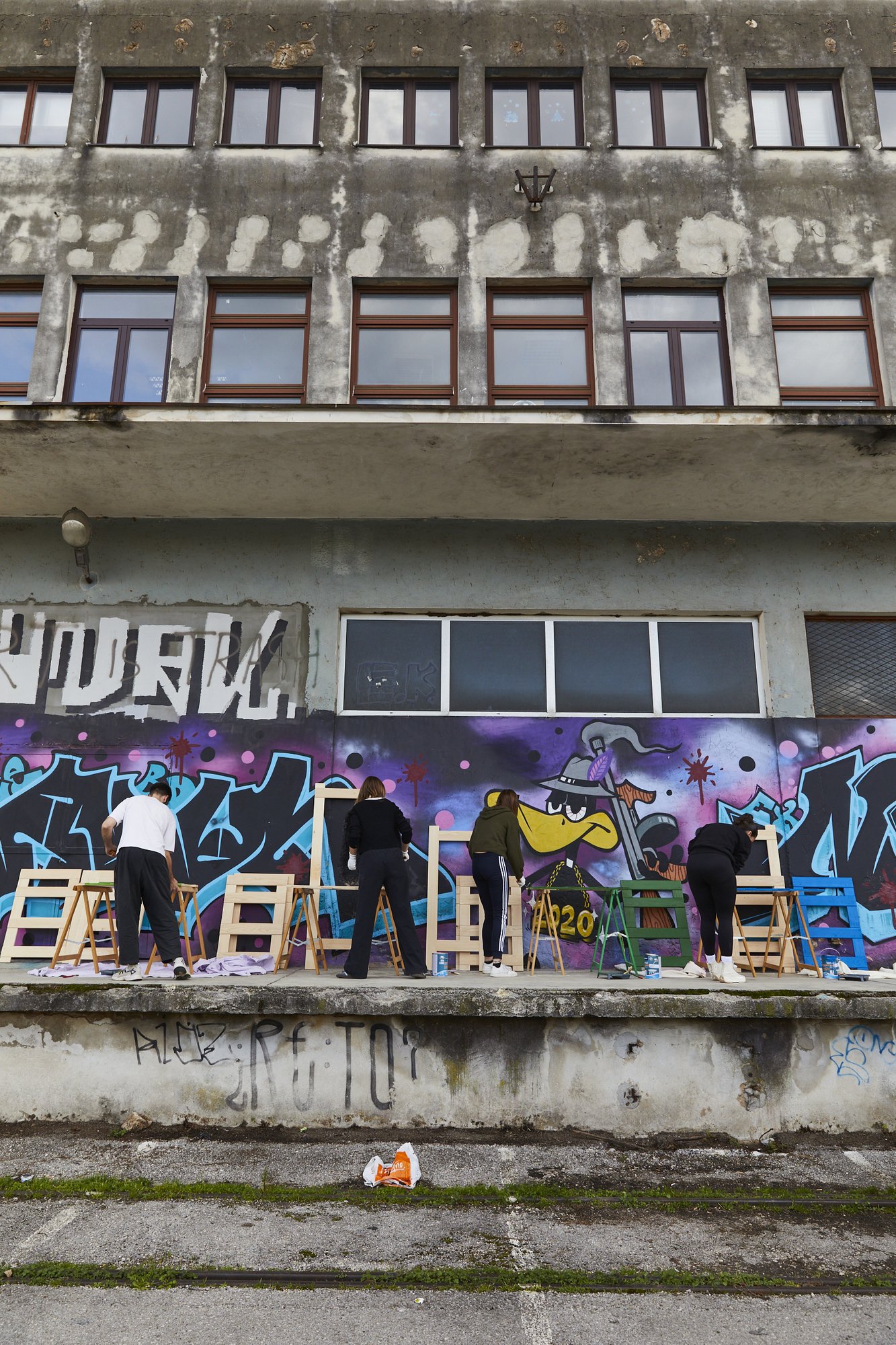
Participatory exploration and co-design of elements for the mobile Park prirode Ričina Kiosk.
Context
The activity brought together two ongoing Urbani separe projects: Waterside Voices and Pathways to Creative Careers (P2CC). Within Waterside Voices, Urbani separe has been working around the Rječina river, exploring how communities can become more involved in its use, protection and future development. One of the planned practical outcomes of the project is the development of a mobile, multifunctional kiosk/pavilion that can be used for different communities, cultural and educational activities along the Rječina and in other parts of the city. Through P2CC, Urbani separe developed a participatory methodology that enabled young people to become directly involved in this ongoing process. Students from the Technical and Construction High School were introduced to the wider context of the Rječina, public-space development and participatory design, and then invited to contribute ideas for specific elements of the future kiosk.
By connecting the two projects, an existing real-life design challenge from Waterside Voices became a practical learning opportunity within P2CC, allowing young people to experience how creative and technical professions can contribute to community-based urban development.
Needs
The activity responded to several connected needs: to introduce young people to participatory approaches to public-space development, to encourage them to think about the relationship between communities and the Rječina river, and to provide practical experience of creative professions and collaborative design. It also created an opportunity for young participants to contribute directly to the development of a real piece of public infrastructure.
Partners
Technical and Construction Highschool
Participants
Pupils, teachers, Urbani separe team mentors
Phases
1
Phase 1
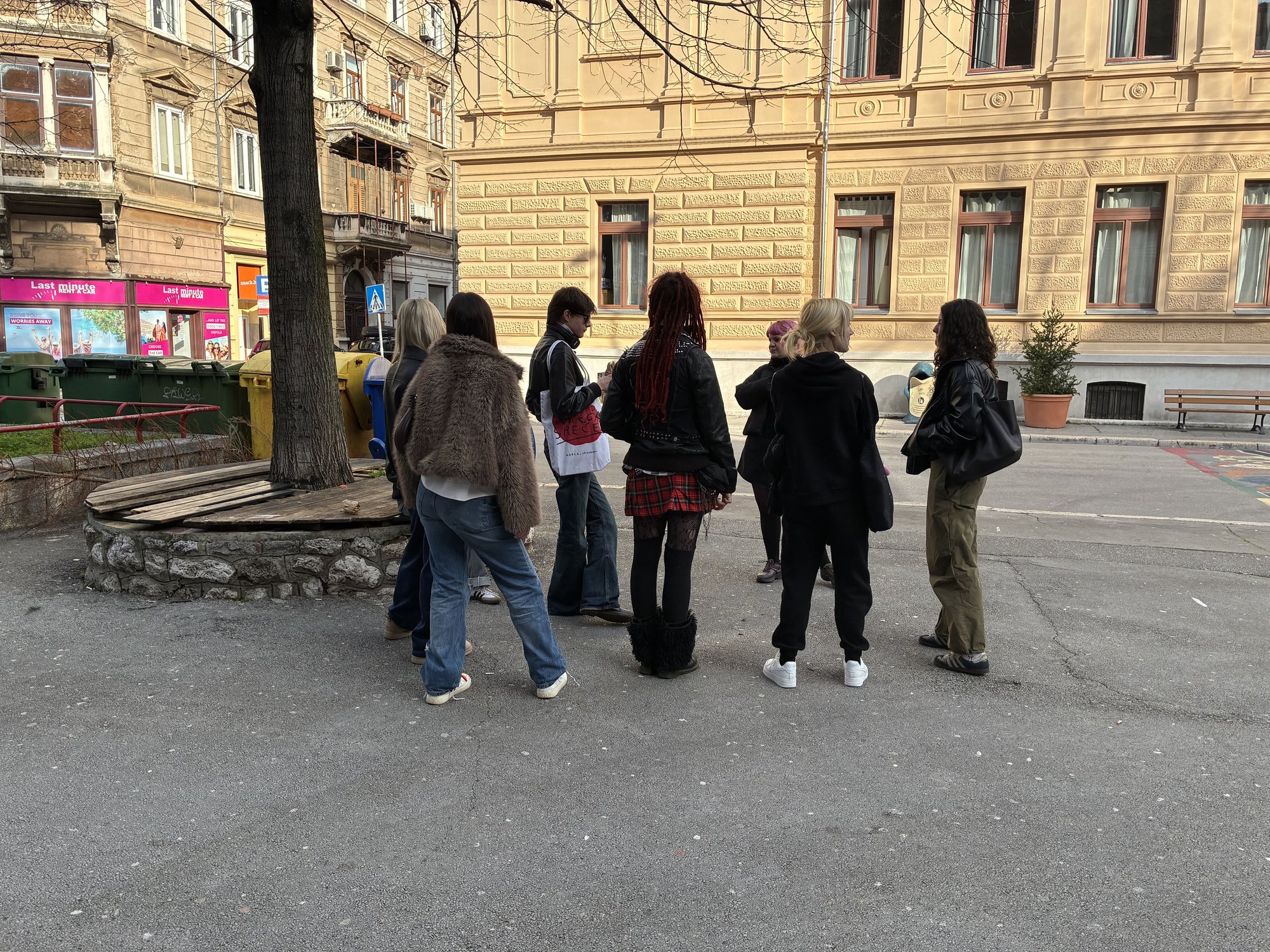
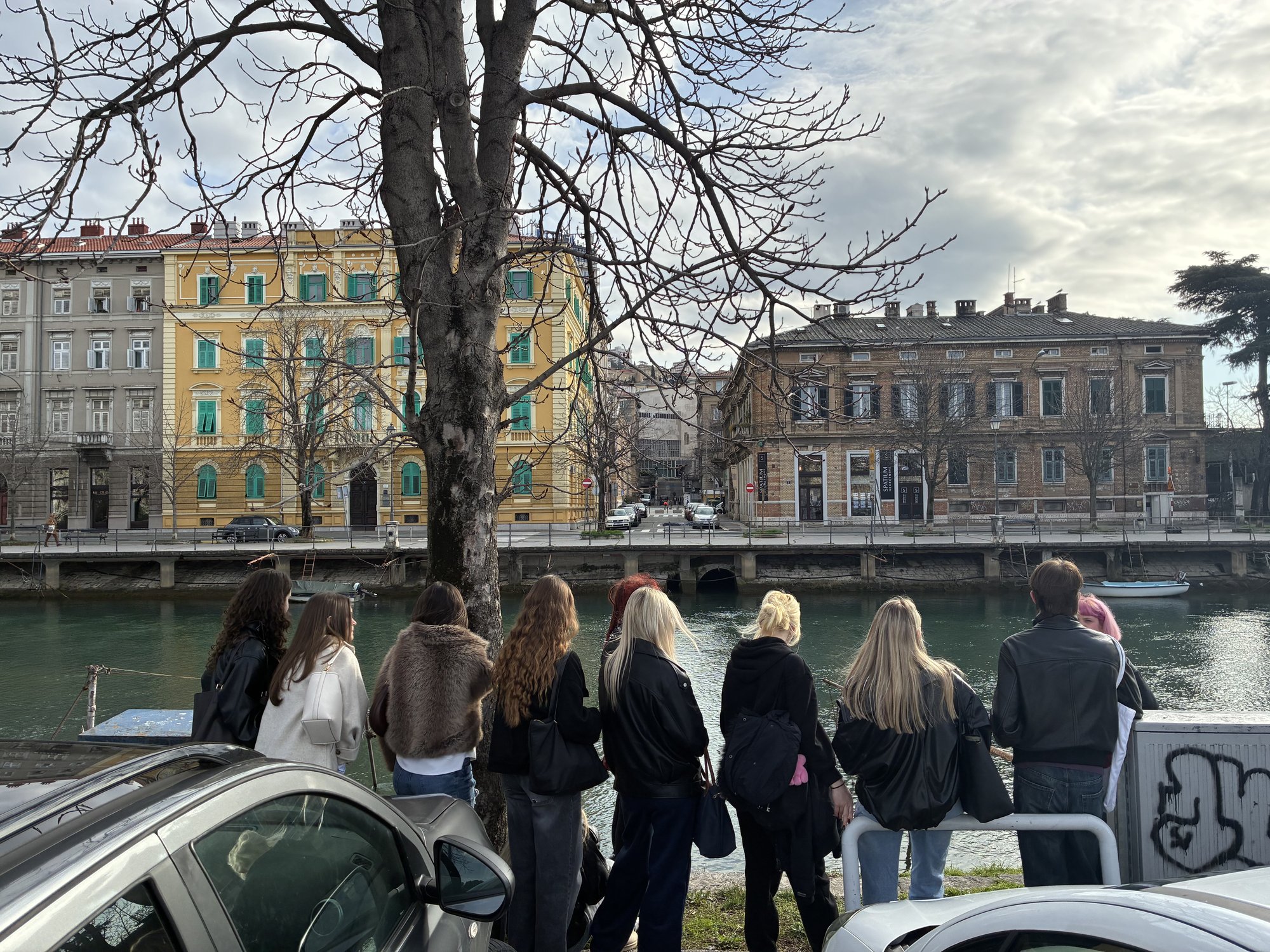
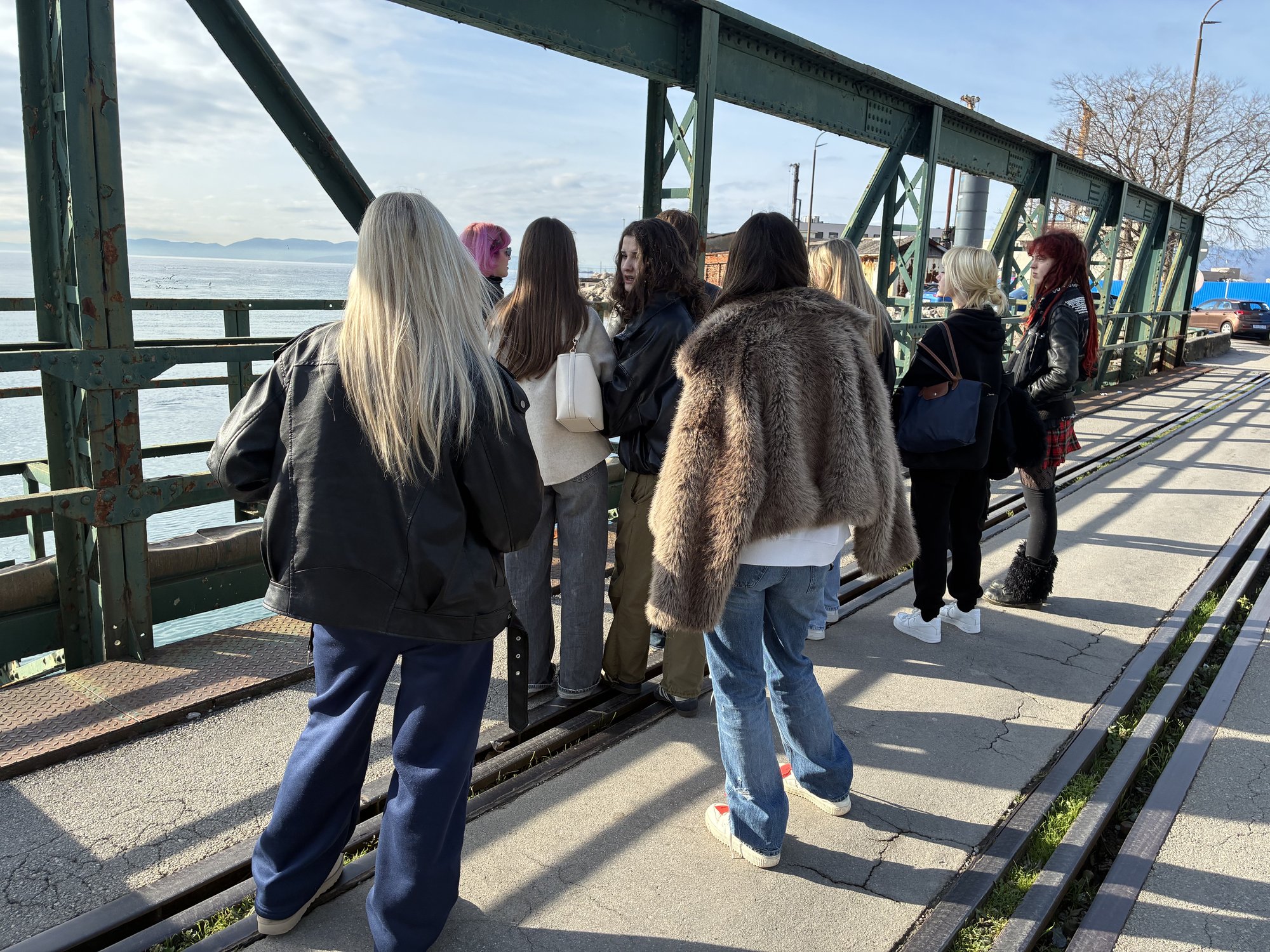
Introduction to the project followed by a guided walk along the Rječina from the school towards Delta 5. During the walk, participants discussed who uses the riverfront, how people relate to the river, what might encourage people to spend more time there, who makes decisions about public space, and how citizens and different creative professions can participate in these processes.
2
Phase 2
Introduction to the kiosk as a shared, mobile infrastructure for community activities - Participants were introduced to the main design criteria: easy storage and transport, simple assembly and durability, adaptability to different spaces and uses, and the kiosk’s multifunctional, educational and protective roles.
3
Phase 3
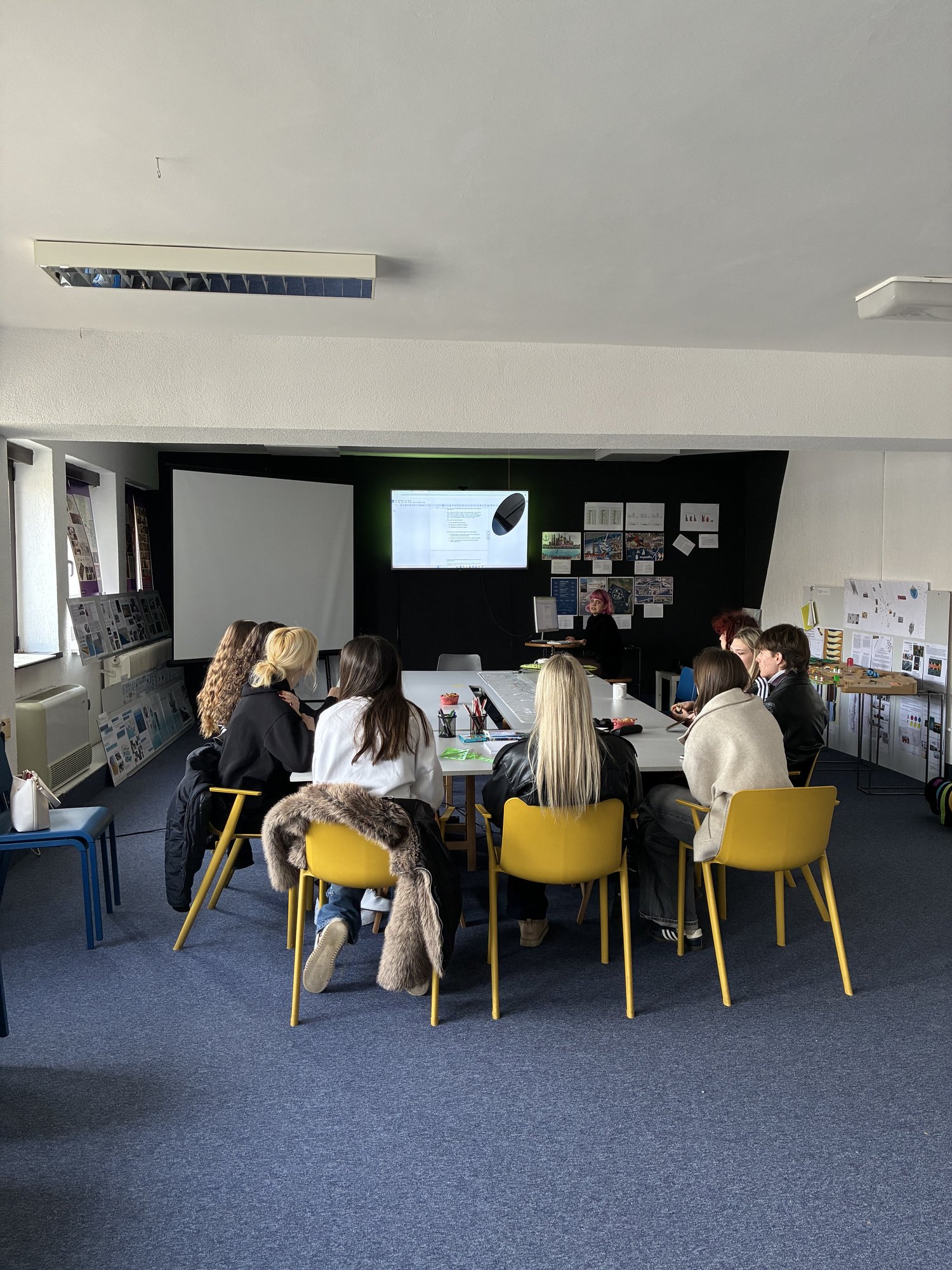
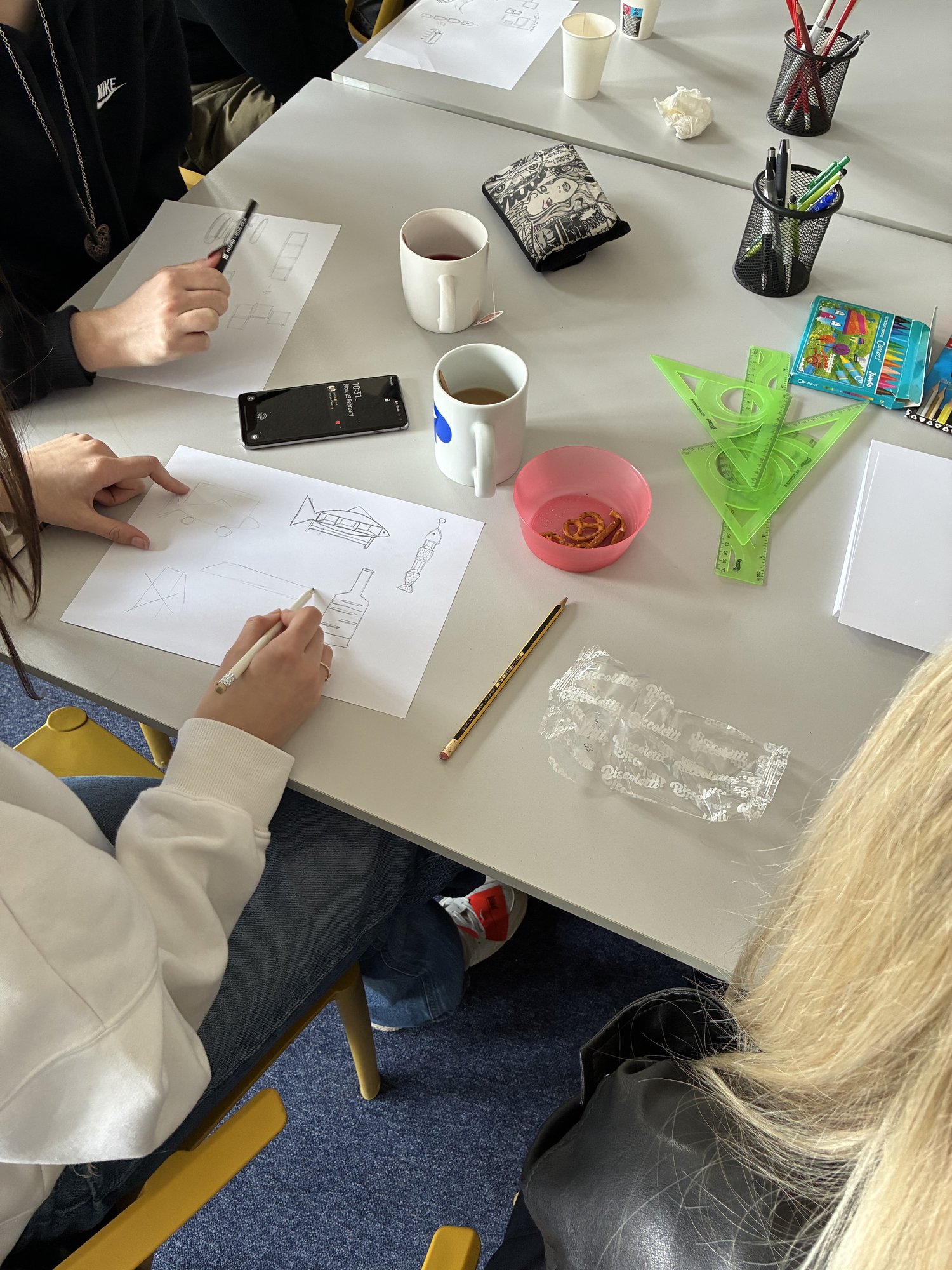
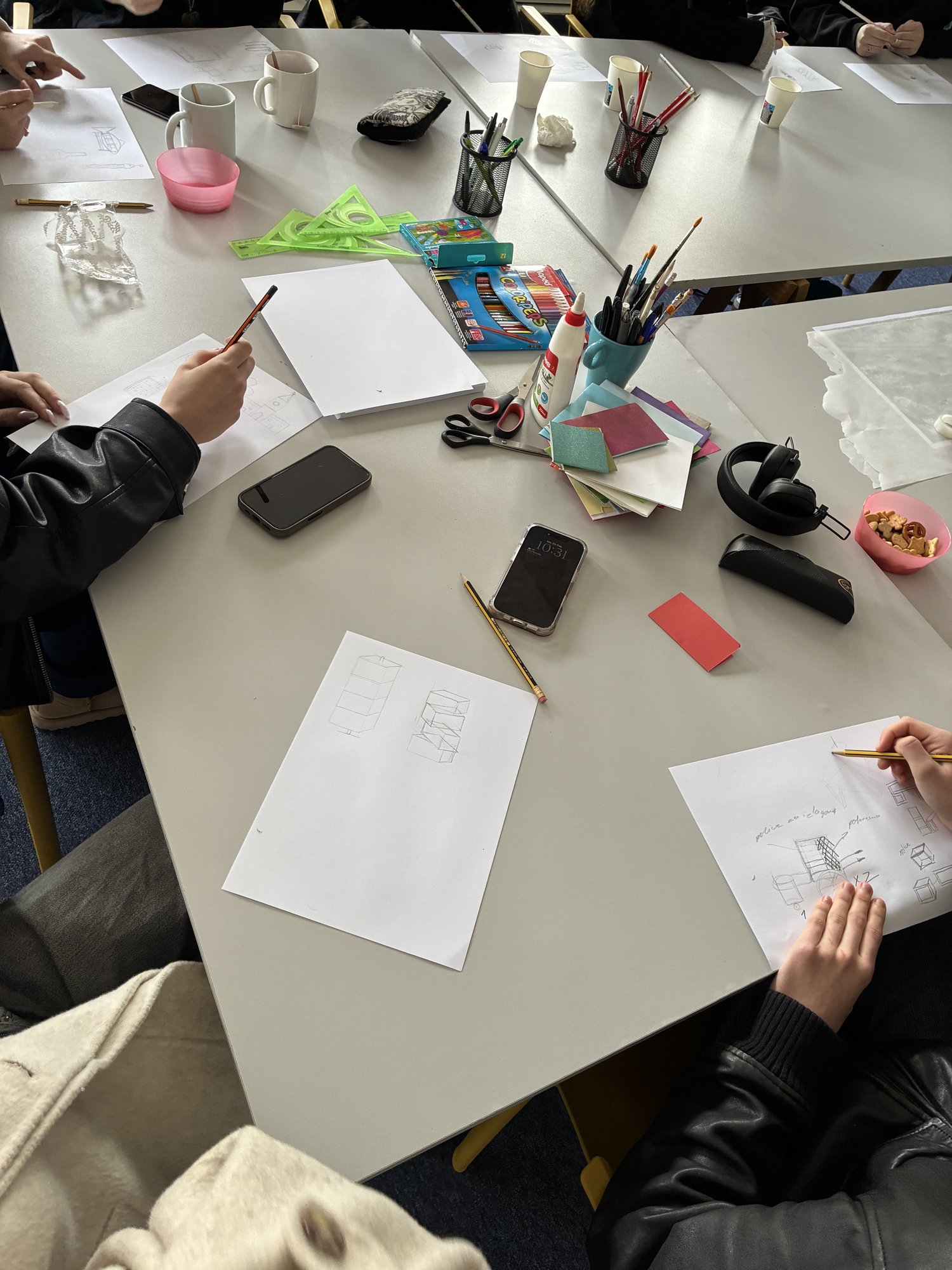
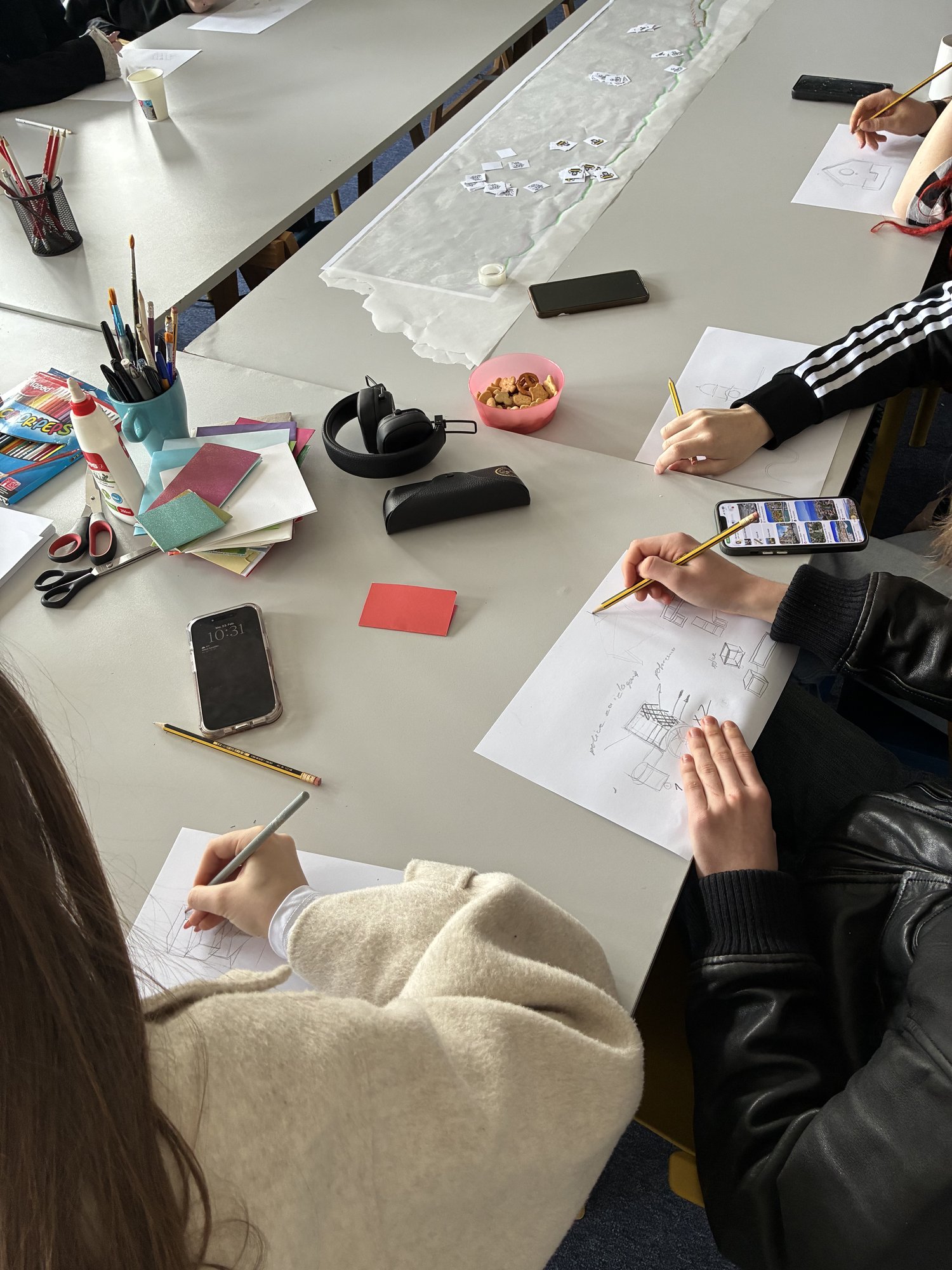
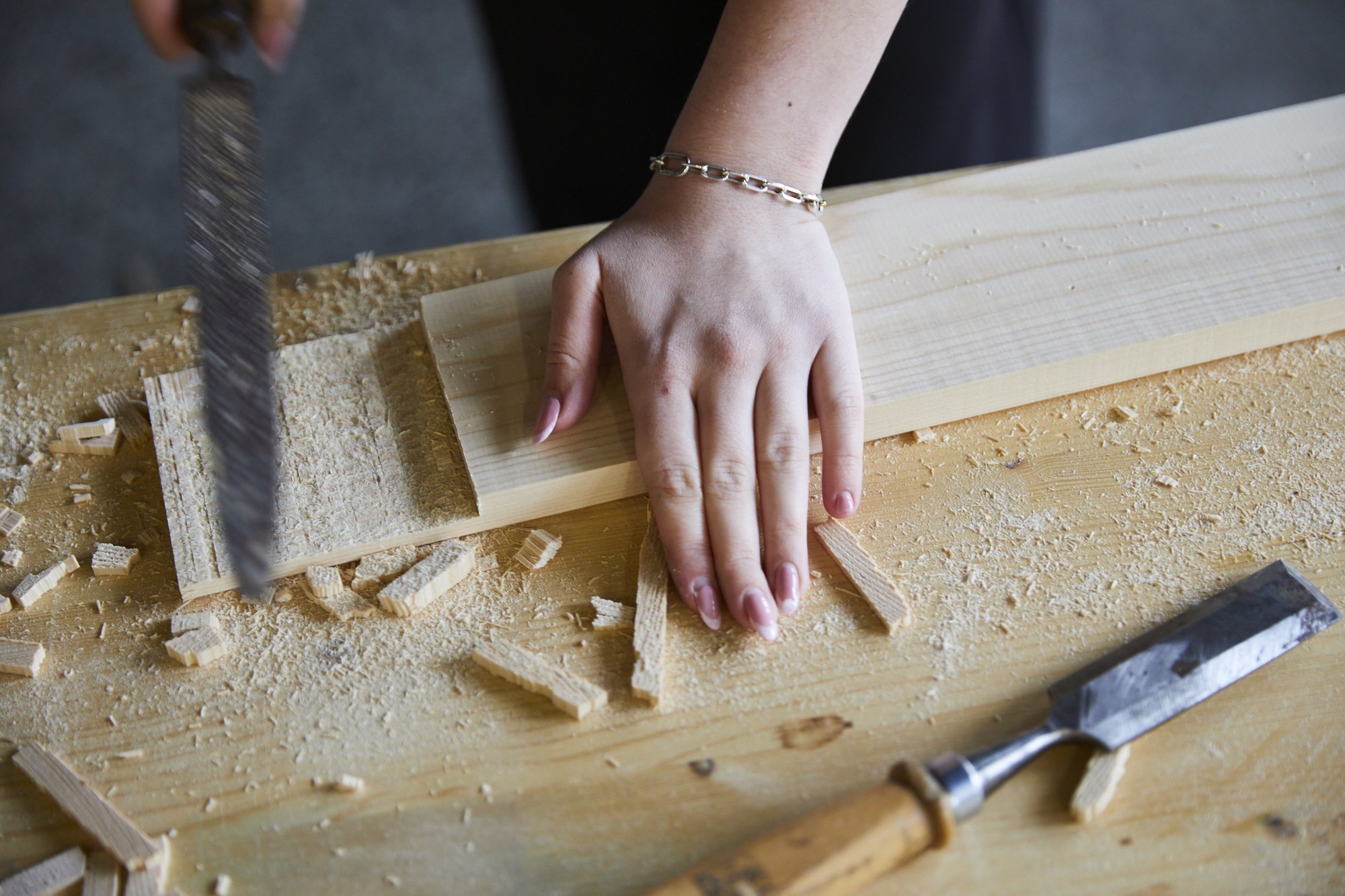
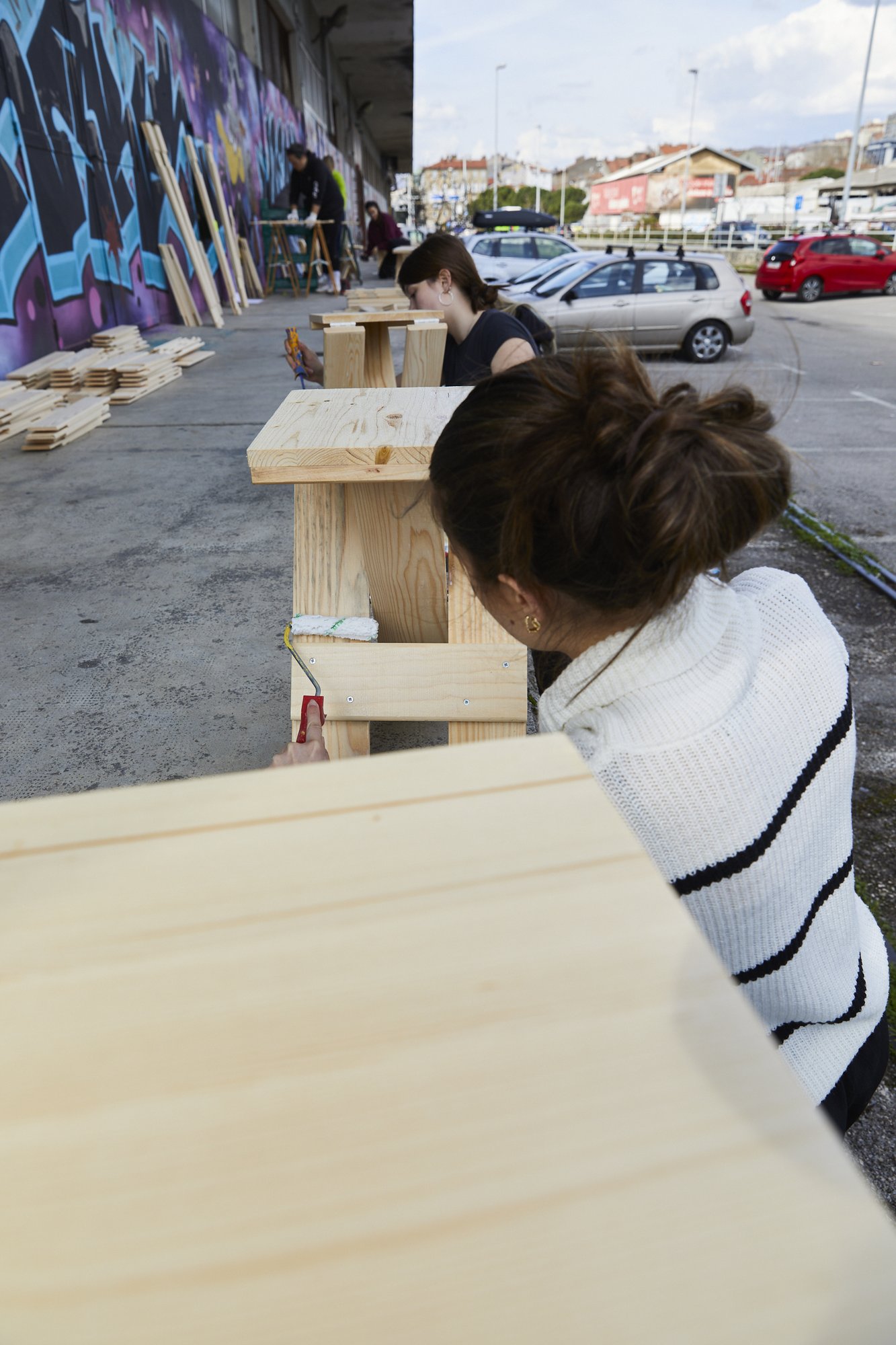
Introduction to the concrete design challenge - Working in two groups, pupils developed sketches and ideas for elements that could become part of the kiosk, including storage units, exhibition elements, spaces for postcards and publications, and other mobile furniture and display solutions. The focus was not on designing one fixed object but on thinking about modularity, materials, usability and different possible configurations.
4
Phase 4
5
Phase 5
6
Phase 6
7
Phase 7
8
Phase 8
Results
The activity introduced participants to participatory design and community-based approaches to public space. Young people contributed ideas to a real design process connected to the future use of the Rječina river area and explored how creative professions such as design, architecture, visual arts, cultural management and participatory practice can contribute to urban development.
The workshop generated sketches and initial concepts for elements of the Kiosk, while also creating a space for discussion about active citizenship, public participation, community needs and creative careers.
Methodology / Tools
The activity combined a participatory urban walk, facilitated discussion, observation of public space, questioning and reflection, project briefing, collaborative design and hands-on sketching. The methodology connected community engagement with creative career exploration by allowing participants to move from observing and discussing a real urban environment to contributing ideas for a concrete public-space intervention.
The closing reflection invited participants to consider their experience of participatory work, what they had learned during the process, and whether the activity had changed how they think about public space, the Rječina river, creative professions and the role of citizens in shaping their city.