Gradidnina at MKC - Youth Cultural Centre, Skopje, North Macedonia
When
16 September 2026
Artistic / Creative Action
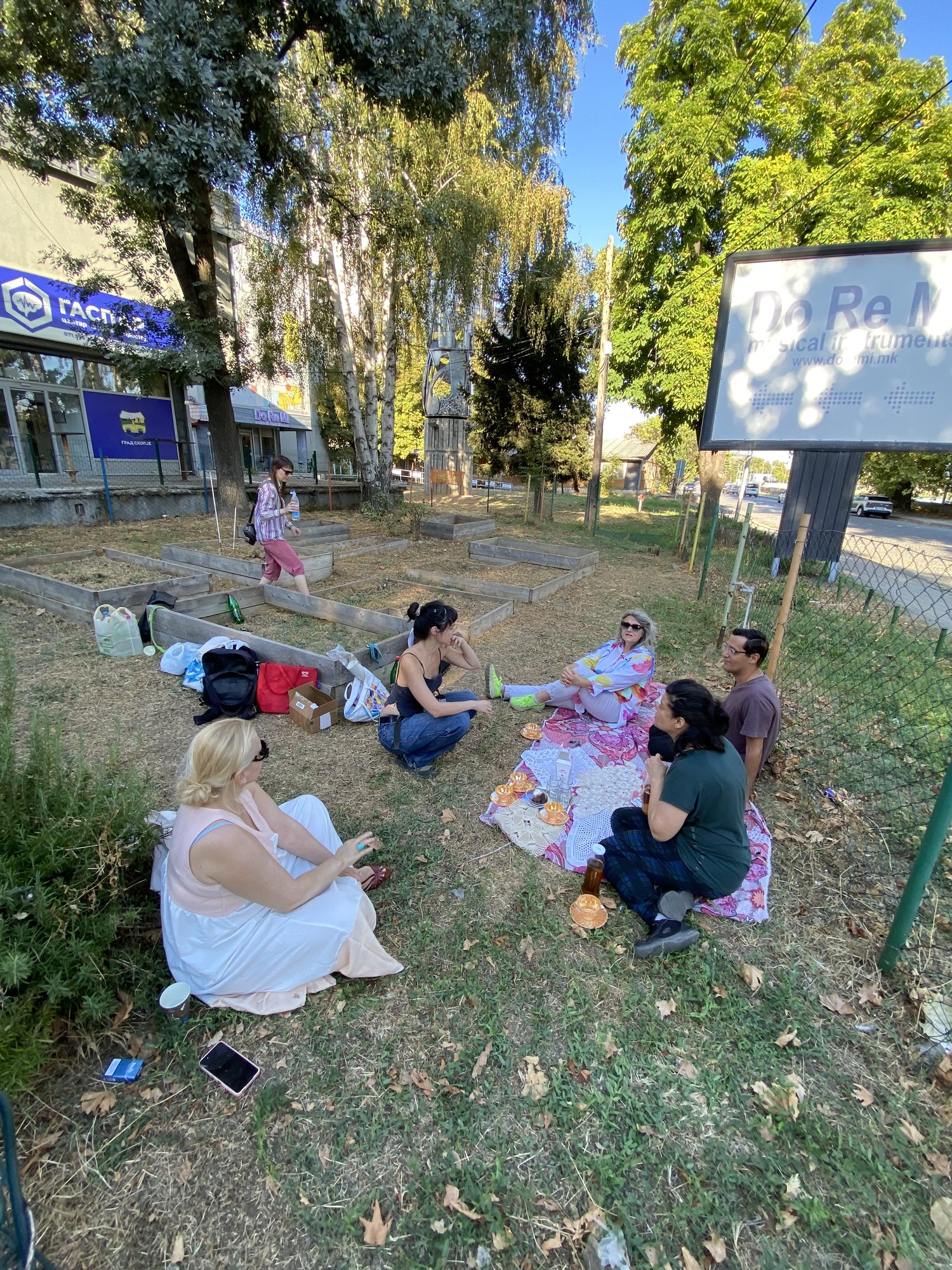
The workshop combines a participatory exploration of Gradidnina with collective mapping, facilitated discussion and seed bombing. Participants will read the garden as a living system shaped by plants, soil, water, seasonal change, human use, institutional conditions, earlier labour and periods of neglect.
The artistic dimension lies in how the site is observed, interpreted and communicated. Walking, drawing, writing, photography and conversation will help participants notice relationships that may not be immediately visible. Seed bombing then translates this shared reading into a modest physical action. The seed mixture will be selected and placed under guidance so that the action responds to the soil, season and ecology of the garden rather than functioning as indiscriminate dispersal.
Context
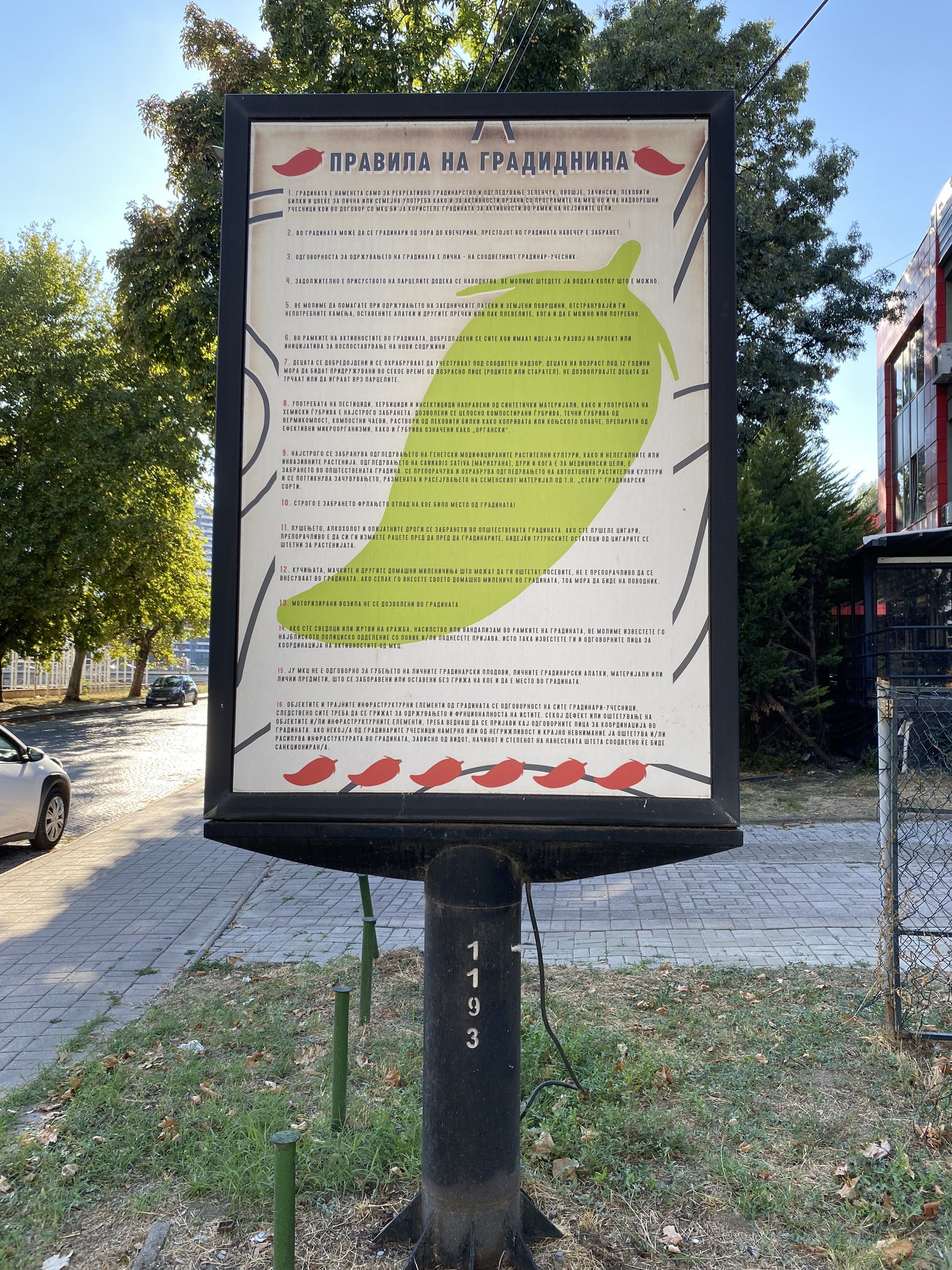
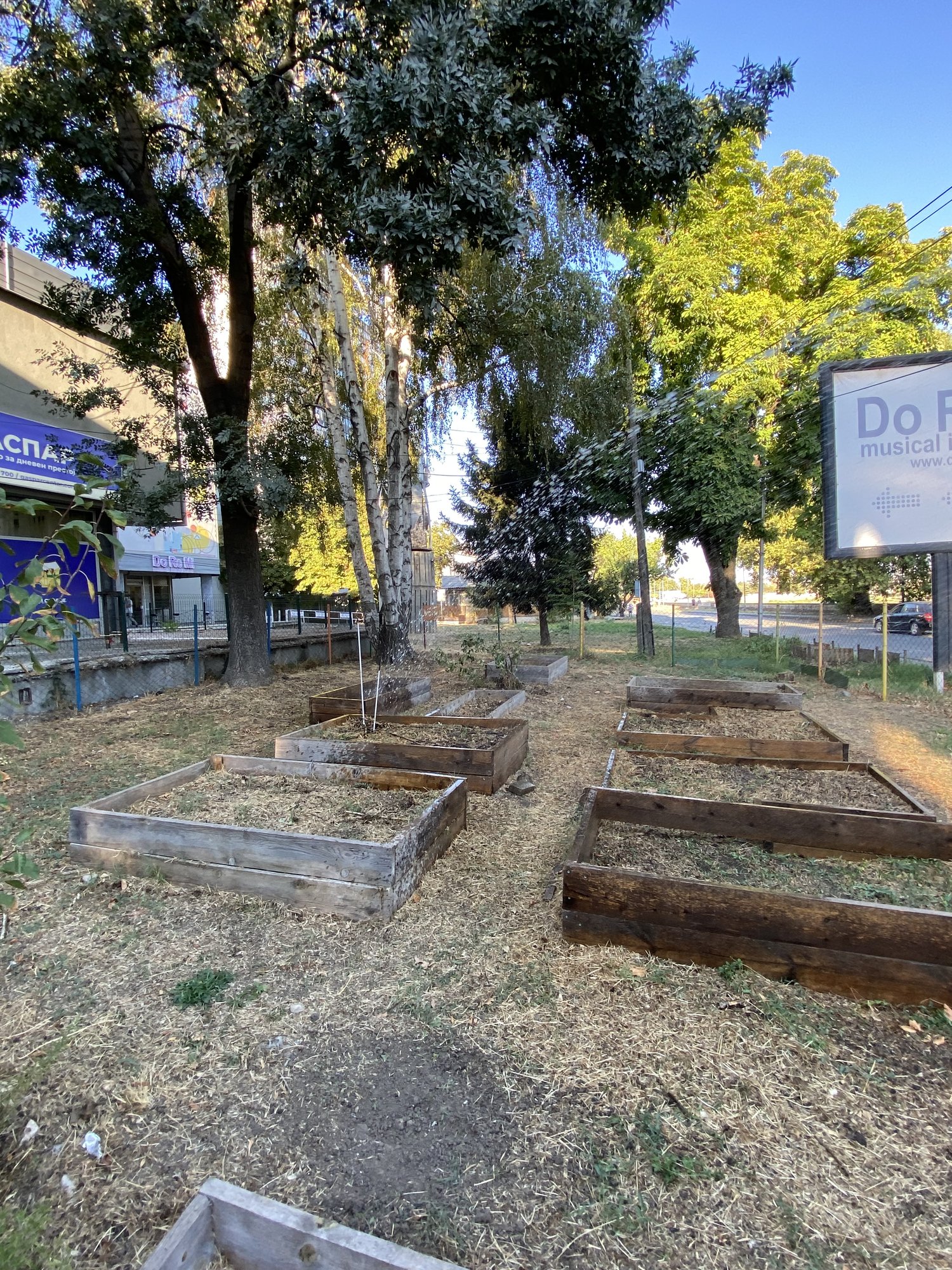
Gradidnina is a supported permaculture garden in Skopje initiated by Press to Exit Project Space in collaboration with MKC - Youth Cultural Centre. It was developed by artists Hristina Ivanoska and Yane Calovski with permaculture practitioner Hayan Alhalabi, students, artists and members of the MKC team as a youth-led, community-based learning environment. Under the guiding idea The Garden as an Instrument, Permaculture as a Methodology, the garden connected ecological practice with artistic thinking, learning and civic participation.
After several years of limited activity, the garden is ready to be engaged again. Gradidnina 2.0 marks the beginning of that process. The workshop brings educators and young artists to the site to test the WP4 Gradidnina Method and its Site Mapping and Care Planning Sheet, examine the garden's present condition and undertake a first practical action through discussion and seed bombing.
The workshop also echoes Seeds of Solidarity - School for Caring Futures in Skopje 2026, which approached the garden and other situated environments as places where ecological knowledge, artistic practice and collective care can be learned through encounter. Gradidnina 2.0 carries this attention into a concrete local action and asks what forms of care can be sustained after the gathering ends.
Needs
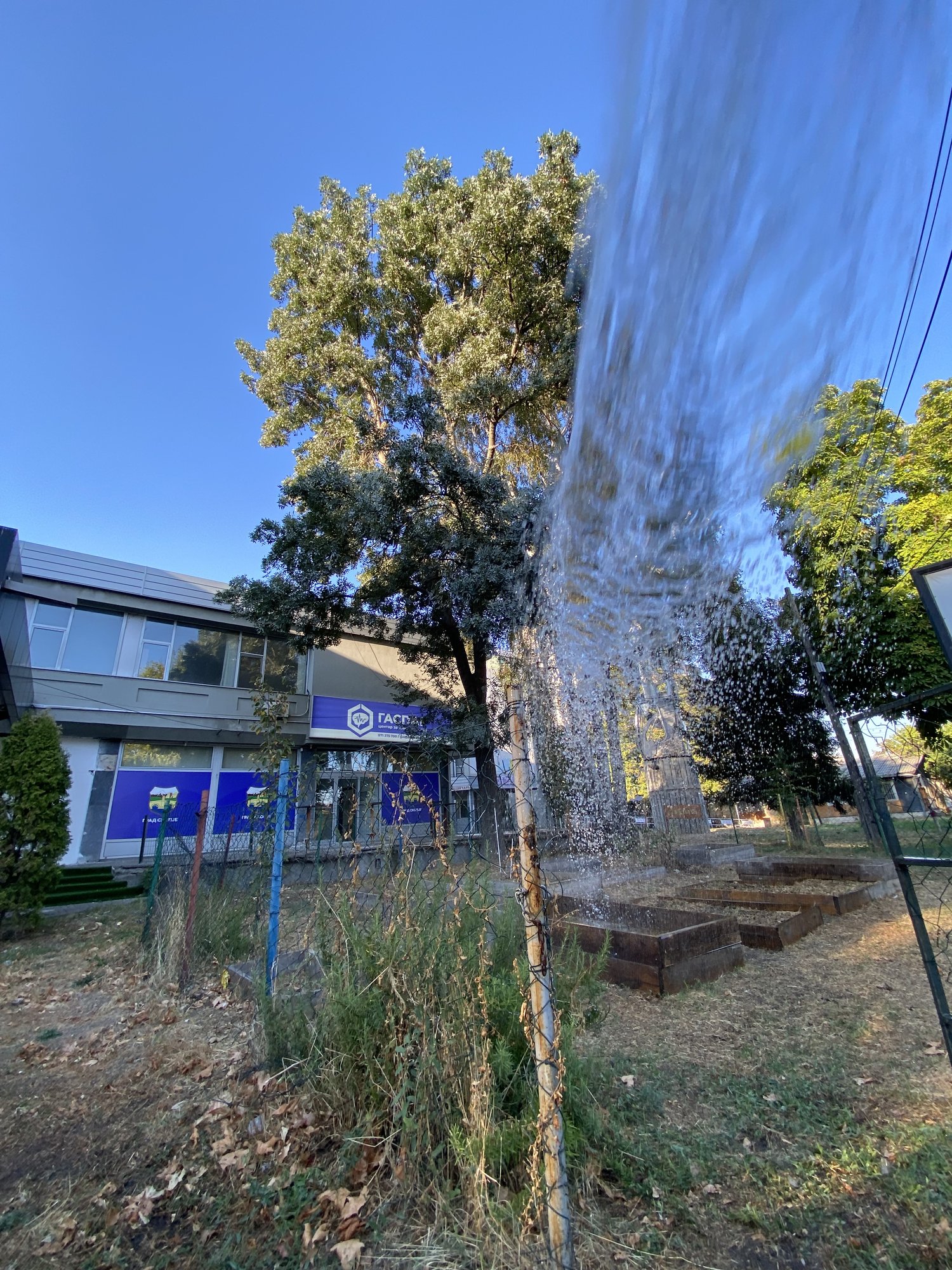
The activity responds first to the present condition of Gradidnina. The garden has been idle for several years, yet its basic structure and earlier ecological work remain available for renewal. Before decisions are made about planting, maintenance or future programming, the site needs to be observed again and understood in its current seasonal, material, ecological and institutional conditions.
The workshop also responds to the need for practical methods that help educators and young artists move from individual observation to collective decisions. The Site Mapping and Care Planning Sheet slows down this process. It asks participants to identify visible and less visible elements of the garden, map the people and institutions connected to it, agree on shared priorities and consider who can take responsibility for what follows.
A further need is continuity. Reactivation cannot depend on a single clean-up or symbolic event. The workshop therefore treats seed bombing as an opening gesture within a longer process and uses the closing discussion to identify realistic next steps, possible responsibilities and conditions for keeping the garden active.
Partners
MKC - Youth Cultural Centre, Skopje
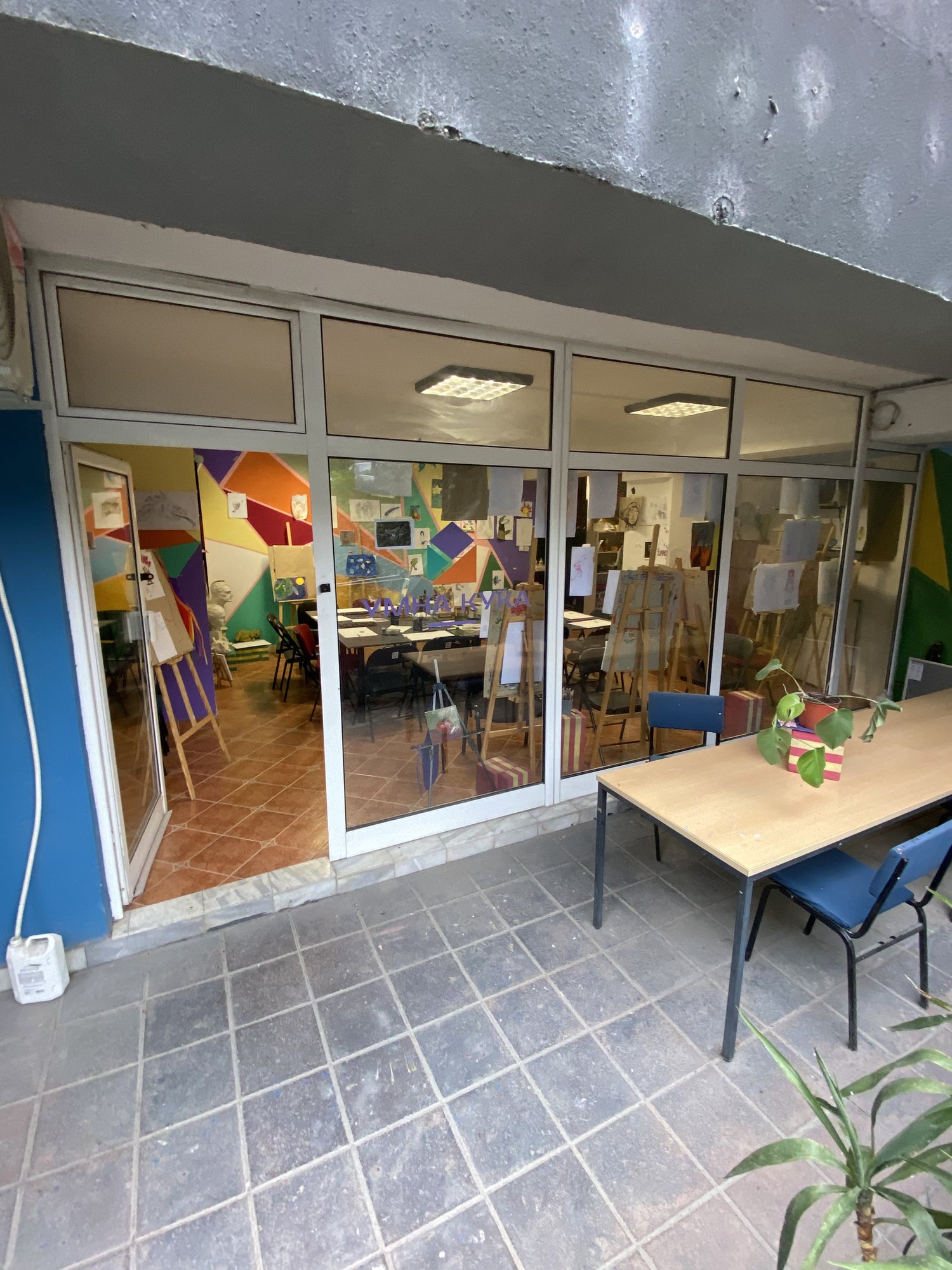
UMNA KUKA / Creative Studio, Skopje
Press to Exit Project Space
Participants
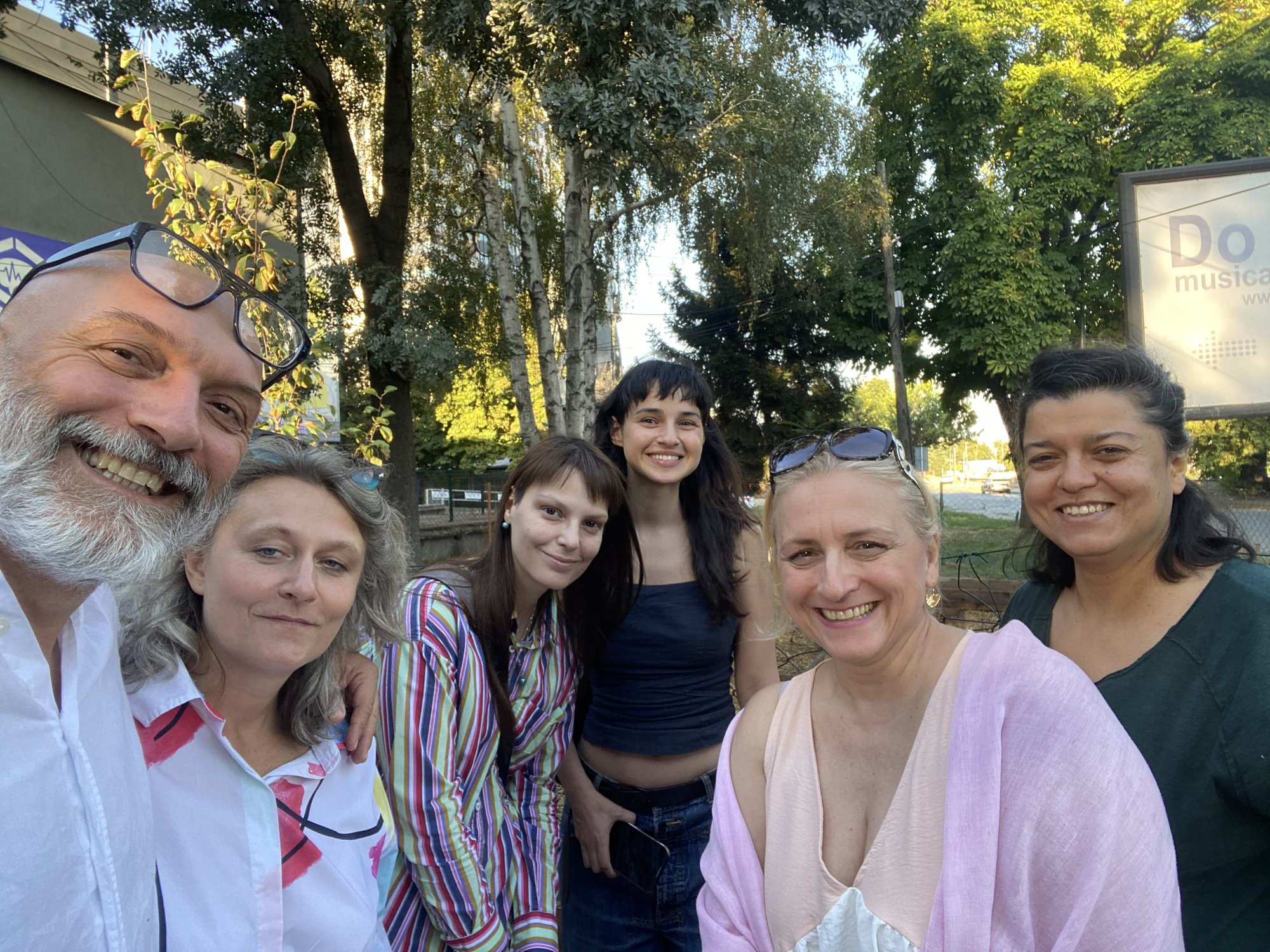
Invited artists and educators: Dorotej Neshovski, Zorica Zafirovska, Teo Misevska, Elena Geleva and Bojana Semova.
Press to Exit team and mentors: Hristina Ivanoska, Yane Calovski and Danche T. Chalovska.
The invited artists and educators participate as contributors to the collective reading of the site rather than as a separate audience. They bring different artistic, educational and curatorial perspectives to the mapping process and will help test whether the tool can support a shared understanding of the garden and its possible future.
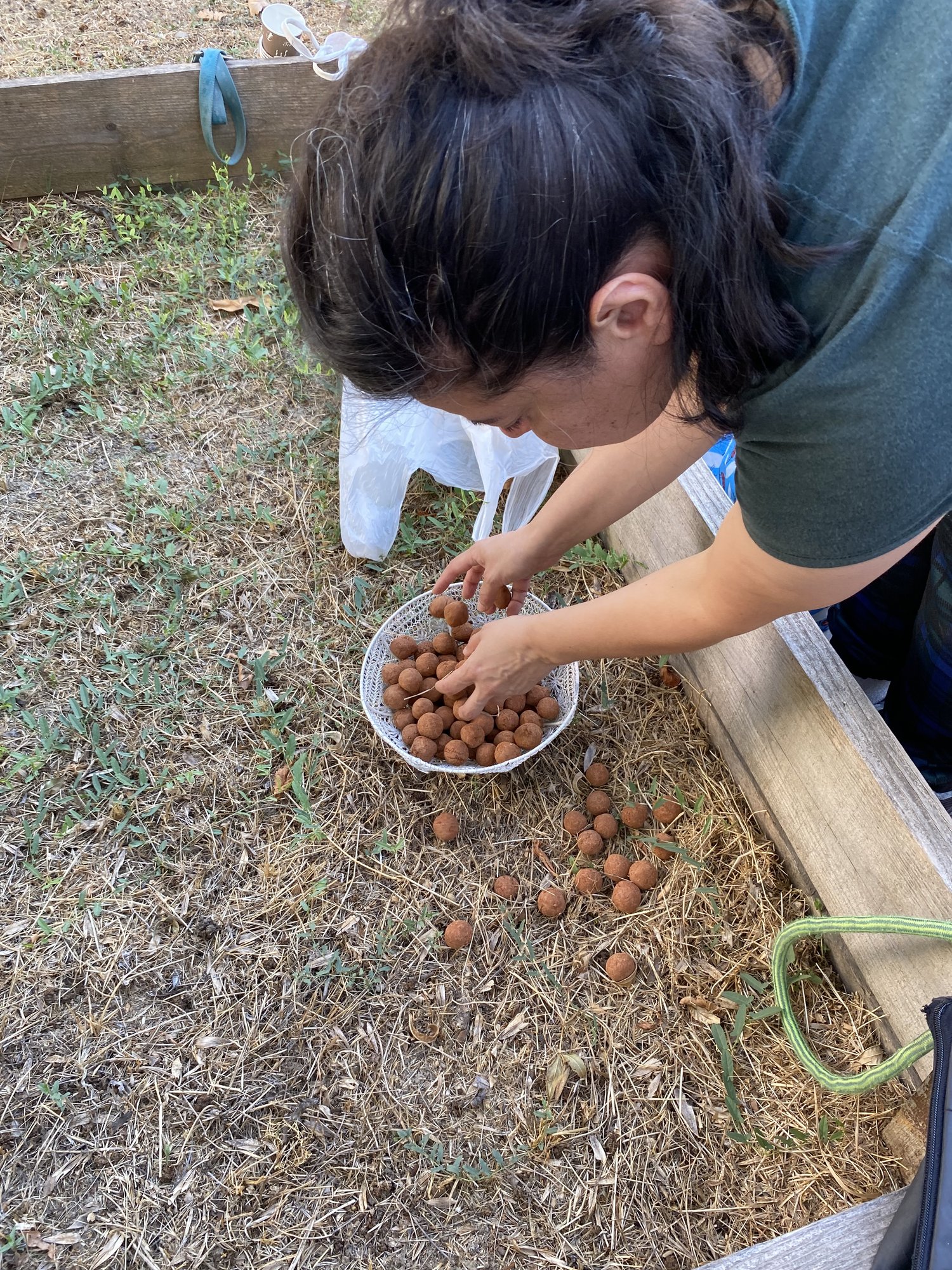
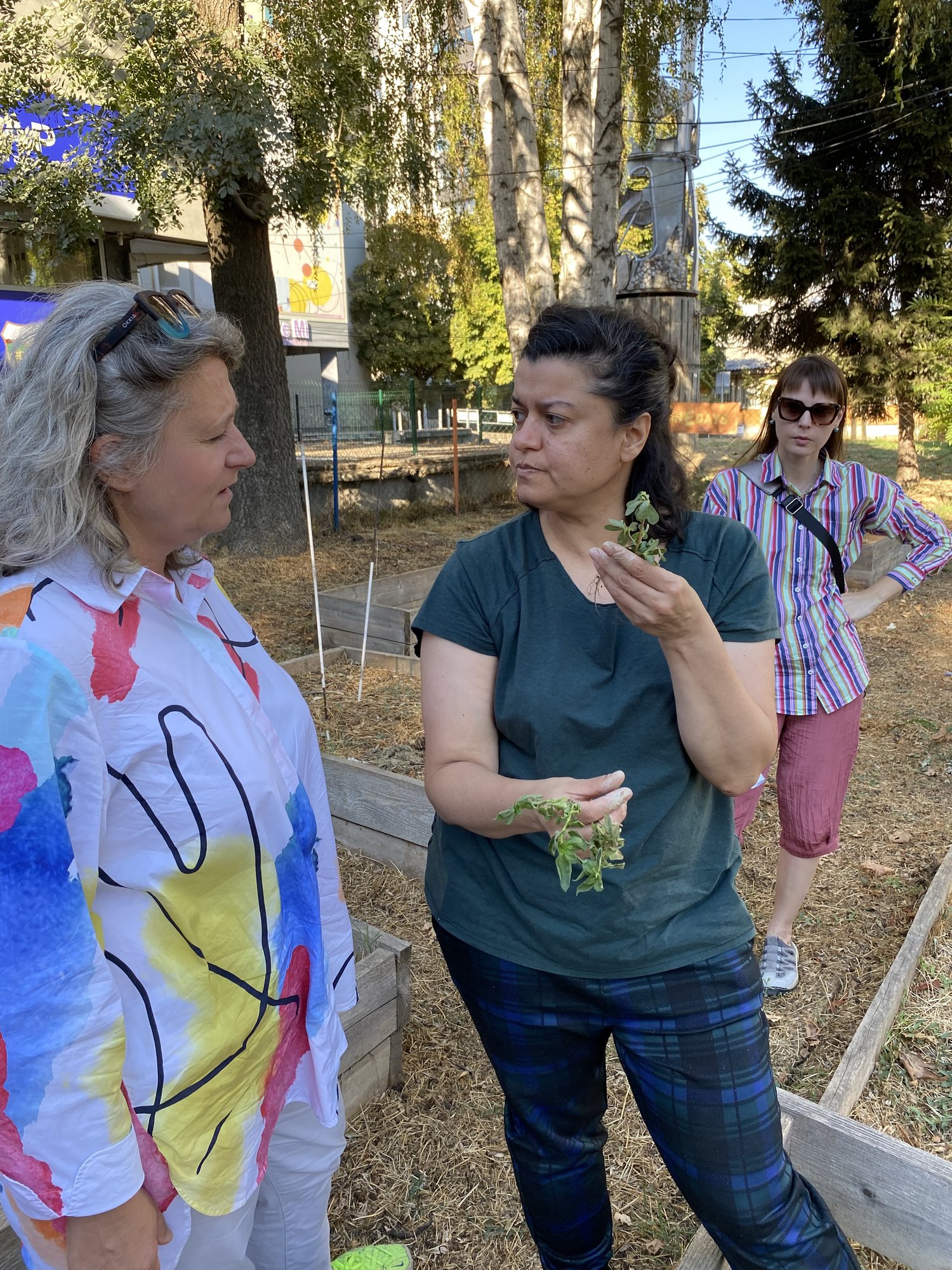
Zorica Zafirovska will guide the seed-bombing action, connecting practical knowledge of plants and soil with her artistic interest in gardens, care and neglect. The other invited participants will contribute through observation, discussion, documentation and proposals for how Gradidnina might again function as a learning and creative space.
Phases
1
Phase 1 Arrival and introduction
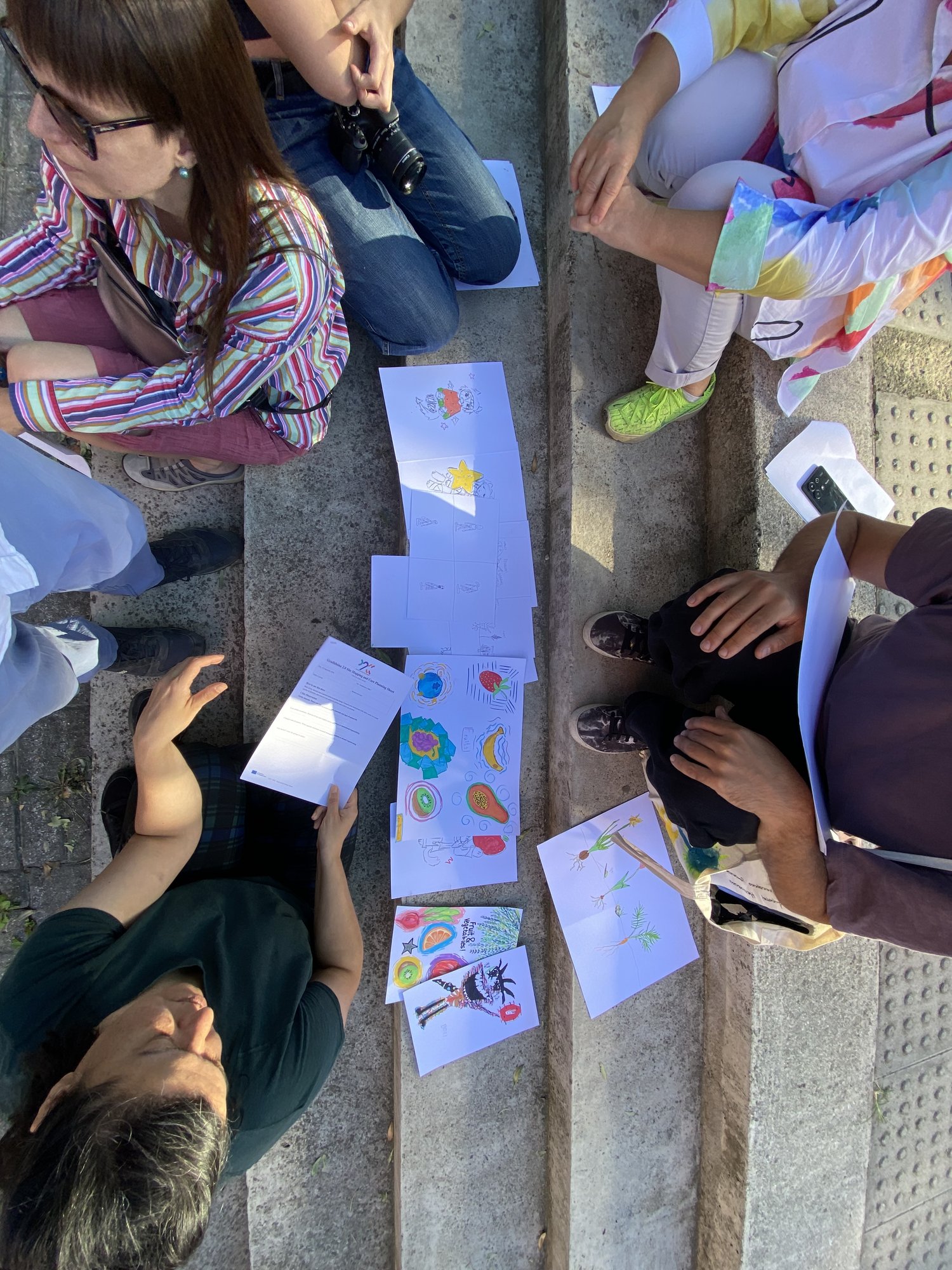
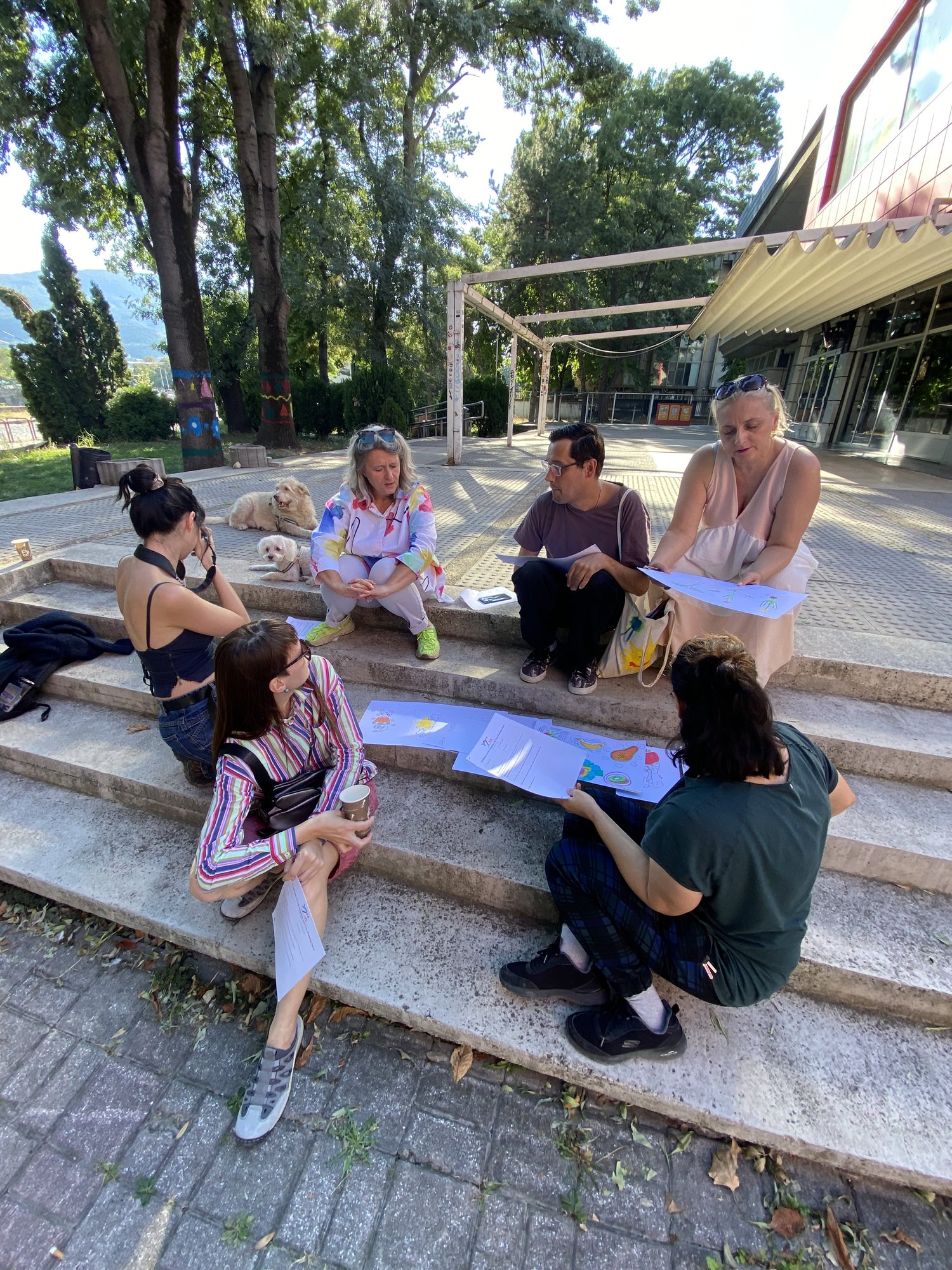
The group will gather in Gradidnina and receive a short introduction to the history of the garden, its original permaculture approach and the aims of Gradidnina 2.0. Hristina Ivanoska and Yane Calovski will introduce the WP4 Gradidnina Method and explain why observation should precede intervention. Participants will receive the Site Mapping and Care Planning Sheet and agree on how the workshop will be documented.
2
Phase 2 Site observation and mapping
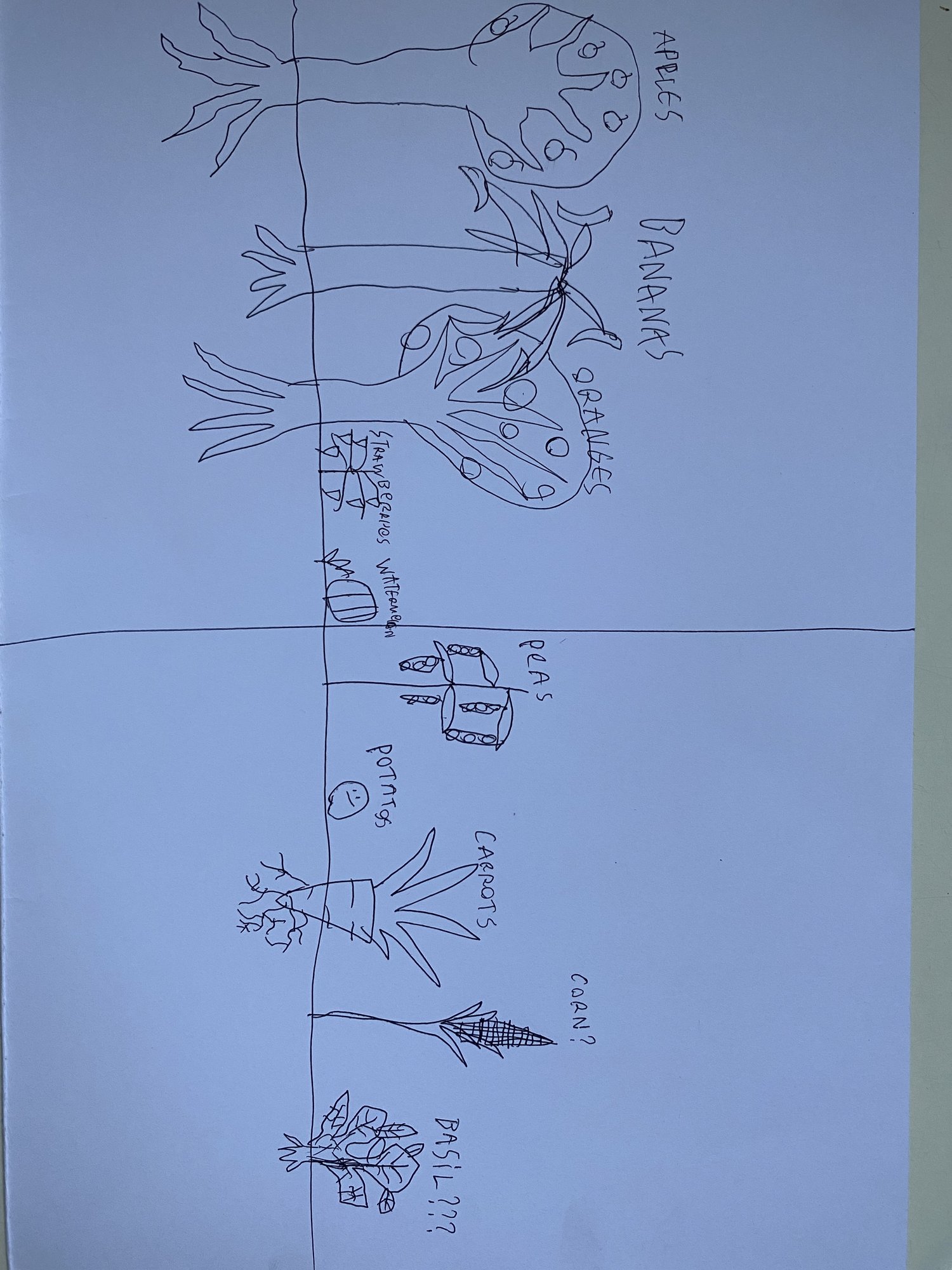
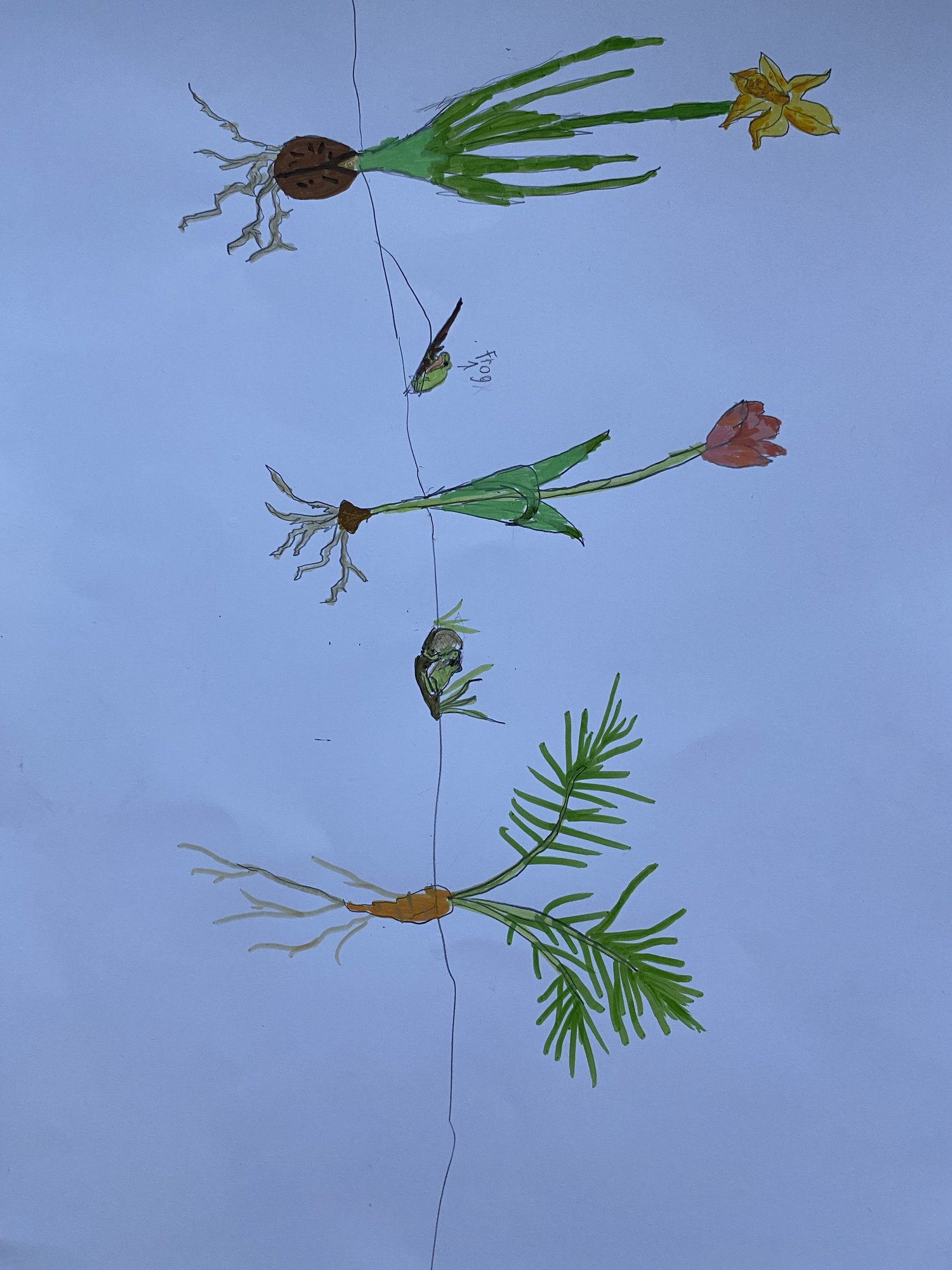
Participants will walk through the garden individually and in small groups. Using notes, drawings and photographs, they will record visible elements such as plants, structures, soil and materials; less visible conditions such as use, care and neglect; and changes produced by season, time and human activity. They will then map direct and indirect users, institutional connections, existing relationships and possible tensions around the site.
3
Phase 3 Collective discussion and priorities
The group will compare its observations and discuss what the garden currently needs. Participants will identify two or three shared priorities and translate them into possible small-scale actions. The facilitators will ensure that different readings remain visible and that decisions are made transparently. The discussion will also consider what can realistically be maintained after the workshop and who may remain connected to the next phase.
4
Phase 4 Seed bombing and reactivation
Working under the guidance of Zorica Zafirovska, participants will prepare and distribute seed bombs as the first physical action of Gradidnina 2.0. The activity will be connected to the earlier mapping: placement will respond to soil condition, light, water and the existing vegetation. The action will open a conversation about regeneration, patience and the difference between initiating growth and sustaining care.
5
Phase 5 Reflection and continuation
The workshop will close with a reflection circle. Participants will review the completed sheets, identify what they learned from the site and discuss what should happen next. The group will record proposed follow-up actions, possible responsibilities and the conditions needed for Gradidnina to become active again as a garden, learning environment and meeting place.
6
Phase 6
7
Phase 7
8
Phase 8
Results
The workshop is expected to produce a collective reading of Gradidnina's present condition and a first practical step toward its reactivation. The results will include:
completed Site Mapping and Care Planning Sheets and visual documentation of the garden's current condition
a shared map of ecological features, patterns of use, institutional relationships and areas requiring attention
two or three agreed priorities for the next stage of Gradidnina 2.0
a site-responsive seed-bombing action intended to support regeneration and renewed attention to the soil
initial proposals for follow-up activities, shared responsibilities and continued care
feedback from artists and educators on the clarity and usefulness of the WP4 method and tool
The workshop will also renew contact between Gradidnina and a group of people who may contribute to its future artistic and educational use. Actual outcomes and agreed responsibilities will be added to the report after the activity.
Methodology / Tools
The activity uses the WP4 method Gradidnina - Situated Co-Creation as a Collective Action Through Living Systems and its Site Mapping and Care Planning Sheet. The method treats the garden as a pedagogical setting in which a group learns through direct contact with ecological and social relations. Its main principle is to observe before acting and to connect every proposed intervention to the site's existing conditions and to the group's capacity for continued care.
The tool will guide the workshop through five connected fields:
Site observation: what is visible, what is less visible and what has changed
Community mapping: who uses the space, who is connected to it and what relationships or tensions exist
Shared priorities: what matters most to the group at this moment
Possible actions: which small steps respond to the observed conditions
Responsibility sharing: who can contribute to the next stage and in what way
Facilitated discussion, a reflection circle, artistic documentation and seed bombing complement the worksheet. Together, these methods move the group from attention to interpretation, from interpretation to a shared decision and from a shared decision to a practical action. The completed sheets will also provide material for evaluating and refining the WP4 tool after the workshop.